What heat does to a tire
A tire's working temperature comes from flexing. Under-inflation increases flex, flex generates heat, and heat softens the compound and weakens the casing. On a summer highway with air above 50°C and asphalt hotter still, a tire that starts the day 15 percent under pressure can be running well beyond its design temperature by mid-morning.
Cold pressure, set for the load
Pressure should be set cold, before the vehicle moves, to the manufacturer's load and inflation table for the actual axle load. Setting pressure to a single number for every axle ignores that a loaded drive axle and an empty trailer axle need different pressures.
Do not bleed hot tires
Pressure rises as a tire warms. That rise is expected and is already allowed for in the cold setting. Releasing air from a hot tire leaves it under-inflated once it cools, which is the condition that causes the damage.
Run it as a programme
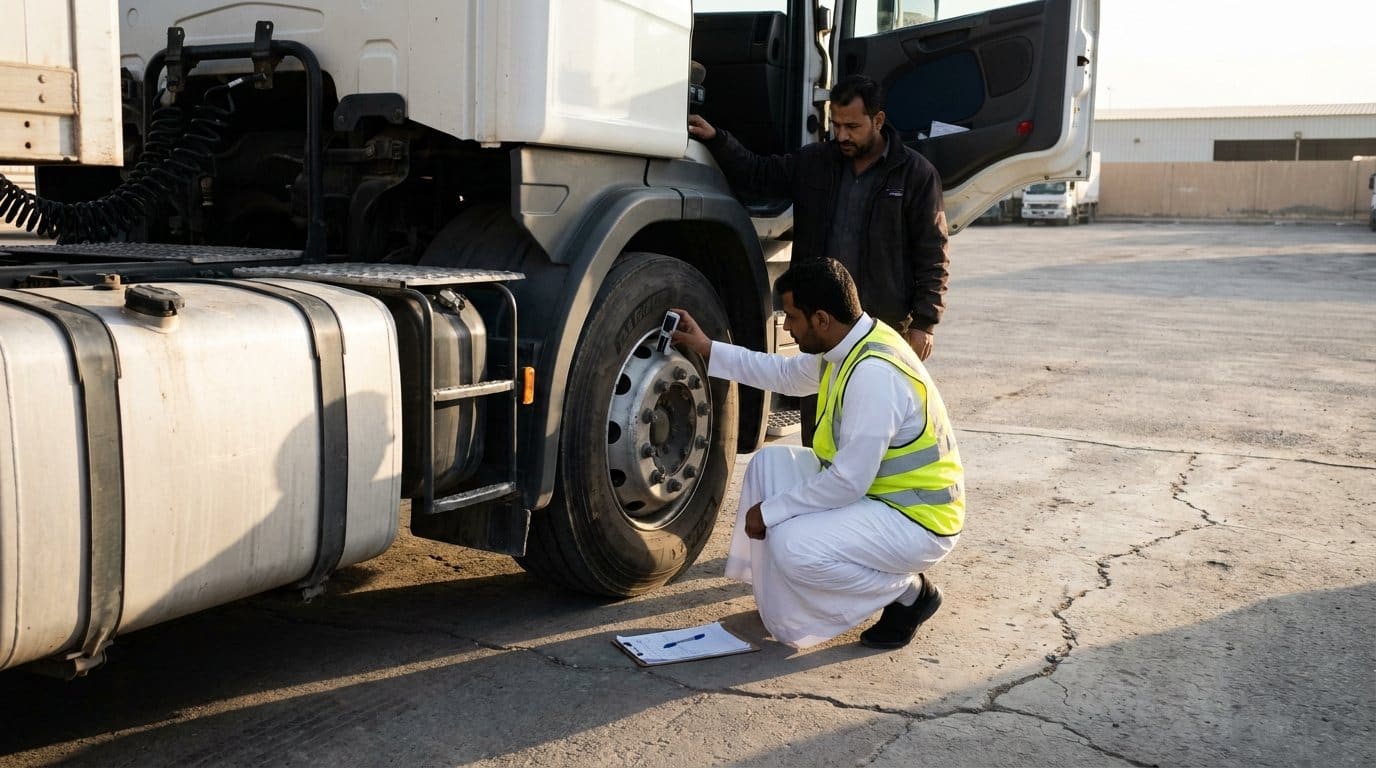
Weekly cold checks with a calibrated gauge, recorded by vehicle and position, catch slow leaks and valve faults before they become casing failures. A fleet that runs a pressure programme typically sees the improvement in tire life within one replacement cycle.